客有说(客即李浙东也,所说不能具录其事)
作者:梵仙 朝代:南北朝诗人- 客有说(客即李浙东也,所说不能具录其事)原文:
- 煞。
“登徒子”一向被作为好色之徒(...)
此诗章法结构带有民歌反覆咏唱的特点。各章的句数、字数相同。要说有变化,仅在第二章的二、四句末换了三个字,即第一章的“左”改为“周”,“适我’’改为“来游”。换字又与换韵有关,第一章的“左”与“我”隔句押韵,第二章的“周”与“游”隔句押韵。
眼睁睁难做主,孩儿,你便教我怎生做主那?埋怨你个生身父,何口得重完聚?小校,休管他,咱自到船上去来。想当初梦不虚,到今朝遇贼徒,天、天、天,只愿的神明护。
有李美人拾的金弹,来献圣上哩。宣他上来,看李美人好容颜,也是一个有福的,他(...)
污莱指洼下荒芜之地。蜗庐指像蜗牛壳一样狭小的房子。葑菲都是菜名,其根略带苦味,人们有因其苦而弃之。《诗经·邶风·谷风》:“采葑采菲,无以下体。”葑菲表示尚有一德可取的意思,葑菲之采指不可因为葑菲根茎苦而连叶子也不采,比喻夫妻相处应以德为重,不能因(...)
尧舜圣已没兮,孰为忠直?
我姑酌彼金櫑,维以不永怀。
醉玉颓山。
咏归堂:位于福建南平藏春峡。藏春峡是当时北宋南剑州文化发祥地、儒学活动中心之一。南剑州守地方官王潮、王汝舟等名人均在藏春峡读书论学,延平先生李侗有诗《藏春峡》:“咏归堂里静怡神,更步芳亭识趣新。爱竹心虚初长笋,观梅香散渐含仁。..(...)
黄叶声迟风歇。龛火夜寒明灭。残月却多情,来照先生归辙。清绝。清绝。透隙飞霜似雪。
1、但使:只要。2、龙城:是匈奴人祭祀祖先、天地和鬼神的神圣场所。卫青第一次出塞便直捣龙城,将其付之一炬,在心理上,给敌人以沉重打击。3、飞将:指汉朝的飞将军李广,资治通鉴和史记均有记载。4、阴山:(...) - 客有说(客即李浙东也,所说不能具录其事)拼音解读:
- shà 。
“dēng tú zǐ ”yī xiàng bèi zuò wéi hǎo sè zhī tú (...)
cǐ shī zhāng fǎ jié gòu dài yǒu mín gē fǎn fù yǒng chàng de tè diǎn 。gè zhāng de jù shù 、zì shù xiàng tóng 。yào shuō yǒu biàn huà ,jǐn zài dì èr zhāng de èr 、sì jù mò huàn le sān gè zì ,jí dì yī zhāng de “zuǒ ”gǎi wéi “zhōu ”,“shì wǒ ’’gǎi wéi “lái yóu ”。huàn zì yòu yǔ huàn yùn yǒu guān ,dì yī zhāng de “zuǒ ”yǔ “wǒ ”gé jù yā yùn ,dì èr zhāng de “zhōu ”yǔ “yóu ”gé jù yā yùn 。
yǎn zhēng zhēng nán zuò zhǔ ,hái ér ,nǐ biàn jiāo wǒ zěn shēng zuò zhǔ nà ?mái yuàn nǐ gè shēng shēn fù ,hé kǒu dé zhòng wán jù ?xiǎo xiào ,xiū guǎn tā ,zán zì dào chuán shàng qù lái 。xiǎng dāng chū mèng bú xū ,dào jīn cháo yù zéi tú ,tiān 、tiān 、tiān ,zhī yuàn de shén míng hù 。
yǒu lǐ měi rén shí de jīn dàn ,lái xiàn shèng shàng lǐ 。xuān tā shàng lái ,kàn lǐ měi rén hǎo róng yán ,yě shì yī gè yǒu fú de ,tā (...)
wū lái zhǐ wā xià huāng wú zhī dì 。wō lú zhǐ xiàng wō niú ké yī yàng xiá xiǎo de fáng zǐ 。fēng fēi dōu shì cài míng ,qí gēn luè dài kǔ wèi ,rén men yǒu yīn qí kǔ ér qì zhī 。《shī jīng ·bèi fēng ·gǔ fēng 》:“cǎi fēng cǎi fēi ,wú yǐ xià tǐ 。”fēng fēi biǎo shì shàng yǒu yī dé kě qǔ de yì sī ,fēng fēi zhī cǎi zhǐ bú kě yīn wéi fēng fēi gēn jīng kǔ ér lián yè zǐ yě bú cǎi ,bǐ yù fū qī xiàng chù yīng yǐ dé wéi zhòng ,bú néng yīn (...)
yáo shùn shèng yǐ méi xī ,shú wéi zhōng zhí ?
wǒ gū zhuó bǐ jīn léi ,wéi yǐ bú yǒng huái 。
zuì yù tuí shān 。
yǒng guī táng :wèi yú fú jiàn nán píng cáng chūn xiá 。cáng chūn xiá shì dāng shí běi sòng nán jiàn zhōu wén huà fā xiáng dì 、rú xué huó dòng zhōng xīn zhī yī 。nán jiàn zhōu shǒu dì fāng guān wáng cháo 、wáng rǔ zhōu děng míng rén jun1 zài cáng chūn xiá dú shū lùn xué ,yán píng xiān shēng lǐ dòng yǒu shī 《cáng chūn xiá 》:“yǒng guī táng lǐ jìng yí shén ,gèng bù fāng tíng shí qù xīn 。ài zhú xīn xū chū zhǎng sǔn ,guān méi xiāng sàn jiàn hán rén 。..(...)
huáng yè shēng chí fēng xiē 。kān huǒ yè hán míng miè 。cán yuè què duō qíng ,lái zhào xiān shēng guī zhé 。qīng jué 。qīng jué 。tòu xì fēi shuāng sì xuě 。
1、dàn shǐ :zhī yào 。2、lóng chéng :shì xiōng nú rén jì sì zǔ xiān 、tiān dì hé guǐ shén de shén shèng chǎng suǒ 。wèi qīng dì yī cì chū sāi biàn zhí dǎo lóng chéng ,jiāng qí fù zhī yī jù ,zài xīn lǐ shàng ,gěi dí rén yǐ chén zhòng dǎ jī 。3、fēi jiāng :zhǐ hàn cháo de fēi jiāng jun1 lǐ guǎng ,zī zhì tōng jiàn hé shǐ jì jun1 yǒu jì zǎi 。4、yīn shān :(...)
※提示:拼音为程序生成,因此多音字的拼音可能不准确。 - 1、但使:只要。2、龙城:是匈奴人祭祀祖先、天地和鬼神的神圣场所。卫青第一次出塞便直捣龙城,将其付之一炬,在心理上,给敌人以沉重打击。3、飞将:指汉朝的飞将军李广,资治通鉴和史记均有记载。4、阴山:(...)
“紫蟹黄柑真解事”句用典。方岳诗云:“白鱼如玉紫蟹肥,秋风欲老芦花飞”,黄庭坚句:“尘思黄柑洞庭霜”都是秋令节物。同时词人又活用晋代张翰睹秋风起思故乡的佳肴美味莼羹鲈脍而辞官归里的故实。显然词人思归还有其深层次的内容。决心仅限于思乡、思家乡之美味。“王粲”句中“寥落”二字语意双关,既写王粲又写自己。汉末王粲羁留荆州,不为刘表看重,因此“登临寥落”的是乡愁,更是自己的怀才不遇。词人的文章不受金章宗的欣赏,不久因罪免职,后仕翰林修撰。公元1196年(承安元年)又因赵秉(...)
楚国的左尹项伯,是项羽的叔父,一向同留侯张良交好。张良这时正跟随着刘邦。项伯就连夜骑马跑到刘邦的军营,私下会见张良,把事情详细地告诉了他,想叫张良和他一起离开,说:“不要和(刘邦)他们一起死了。”张良说:“我是韩王派给沛公的人,现在沛公遇到危急的事,逃走是不守信义的,不能不告诉他。”于是张良进去,详细地告诉了刘(...)
(1)十八日:1876年(光绪二年)八月十八日。(2)狼山:在江苏南通市南。(3)虞山:一名乌目山,在江苏常熟县城西北。相传西周虞仲葬此,故名。(4)尻(kāo):尾部。(5)迤:往。(6)騞(huō):以刀劈物声;擘(bò):剖分。“騞擘屹立”,意为如同被刀騞然劈开似的直立。(7)状:描述。(8)畴:农田。衍:延展。(9)澄湖:当指阳澄湖,阳澄在常熟城南。(10)荡潏(yù玉):水流波涌。(11)毗陵:古郡名,指镇江、常州、无锡地区。震泽:即太湖。(12)厥高鑱云:山高之高,刺入云端。厥:其。(chán蝉):刺。(13)水阴:水的南面。上薄:指自虞山南望湖水,水面向南伸展,上近天际。(14)眦(zì):眼眶。睇(dì):看。决(...) - 桃之夭夭,灼灼其华。
相与步于中庭:(我们)一同在庭院中散步,相与,共同,一同。步,散步。于:在(...)
那里~神社许(...)
如今空有孤魂梦,半在嘉陵半锦川。
葛巾自向沧浪濯。朝来洒酒那堪著。高树莫鸣蝉。晚凉秋水眠。
“登徒子”一向被作为好色之徒(...) -
梵仙
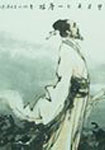 梵仙,姓名不详,《江宁金石记》卷八疑为赵峋之字。徽宗政和三年(一一一三)有题上元县祈泽寺诗。
相关翻译
相关赏析
作者介绍
客有说(客即李浙东也,所说不能具录其事)原文,客有说(客即李浙东也,所说不能具录其事)翻译,客有说(客即李浙东也,所说不能具录其事)赏析,客有说(客即李浙东也,所说不能具录其事)阅读答案,出自梵仙的作品
版权声明:本文内容由网友上传(或整理自网络),原作者已无法考证,版权归原作者所有。五淦诗词网网免费发布仅供学习参考,其观点不代表本站立场。
转载请注明:原文链接 | http://www.physicaltherapistscareer.com/physical-therapist-education